
Championing Diversity and Inclusion in Kids’ Literature with Dana Alison Levy
In Conversation with Dr. Elisabeth Paige

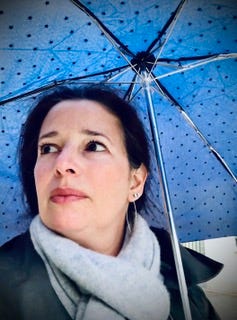
In a recent podcast episode, Elisabeth Paige delves into the dynamic career and impactful works of Dana Alison Levy, an acclaimed author known for her contributions to children’s and young adult literature. From crafting compelling narratives for middle graders and young adults to exploring crucial societal themes in nonfiction, Dana’s journey is nothing short of inspiring. Here’s a look at some of the key insights from their conversation.
The Journey of Writing for Young Minds
Dana Alison Levy began her writing journey at a young age, inspired by her family members who were also children’s authors. Though her initial attempts at crafting a full novel took several years, it was persistence and passion that eventually led her to success at the age of 40 in children’s writing. Dana’s favorite part of any job she had as an adult was the writing. Her affection for writing for children and teens stems from the belief that they represent an astute audience deserving of rich, complex stories.
Understanding Genres and Age Ranges
One of the critical discussions in this podcast surrounds the common misconception about age ranges as genres. Dana emphasizes that middle grade and young adult aren’t genres themselves—they are simply age categories that encompass all genres from fantasy to literary fiction. This distinction is vital in understanding the breadth of literature available to young readers.
Two Dads and Four Adopted Sons in Fun, Normalized Stories
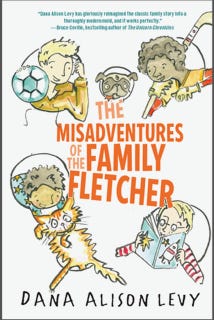
In Dana’s books, The Family Fletcher series, she normalizes a family with two dads and four adopted sons. In these adorable chapter books, the Fletchers have all kinds of family adventures just like any family with four sons would. While the books do not emphasize the problems indicative of having two dads, they play a huge role in the endearing nature and humor of the stories.
Fostering Hope Through Literature
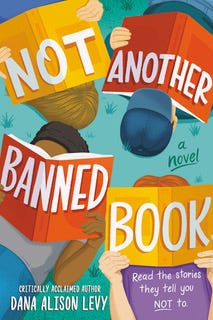
Dana mentions that books targeted at young readers often carry a “whiff of hope,” even when addressing challenging topics. In her novel “Not Another Banned Book,” she tackles the serious issues of book banning and grief while ensuring that readers find a sense of hope and inspiration, prompting them to consider actions they can take within their communities. She writes a “realistic victory.” She talks about the neuroscience of hope. If one is more hopeful, they are likely to have a quicker recovery from illness and they are more likely to be galvanized to helpful actions. As an activist in her non-writing life, Dana has to remember that she is working to win one battle at a time. In “Not Another Banned Book,” a grieving teenager is part of a supportive book club until it is banned due to its “inappropriate content.” She and her friends get together to fight for the book club only to win a small battle. Although this story is located in Massachusetts, a basically liberal state, book banning is on the uptick in every state. And, that the overwhelming number of books that are banned are LGBTQ+ and POC or other racial/ethnic minorities so kids from these groups aren’t seeing themselves represented in what they are reading.

Breaking New Ground with Nonfiction
In “Breaking the Mold,” a beautiful and well-written book, Dana introduces readers to a diverse group of scientists from varied backgrounds, aiming to demystify the pathways to a career in science. Written during the pandemic, this project showcases how diverse voices are crucial in all fields, including scientific research, echoing the belief that good science relies on diverse perspectives. In this book she portrays some of the same messages. There have been some challenging things going on, but we have to maintain hope and do what we can. Although there is funding draining here, the science will still happen through philanthropists, other countries and private donations.
The Science of Environmental Justice
A significant portion of their conversation highlights environmental justice—a concept addressing environmental inequities that predominantly affect poor and marginalized communities. Dana’s work through interviewing scientists sheds light on how real change requires incorporating justice into environmental and scientific discussions.
Upcoming Works and Future Aspirations
Looking ahead, Dana is working on a new nonfiction book titled “Sly Foxes,” exploring the fascinating intersection of foxes in science, mythology, and fiction. Additionally, she expresses a desire to write for adults and even explore writing a picture book, showcasing her versatility and dedication to storytelling.
Conclusion
Dana Alison Levy’s dedication to creating meaningful, thought-provoking literature for younger audiences is both commendable and inspiring. Her openness to exploring challenging themes while maintaining accessibility for all readers is an essential contribution to the world of literature. Stay tuned for more exciting works from Dana as she continues to inspire and educate through her diverse range of narratives.
You can listen to the full interview by selecting the podcast button on my website www.mindfulhappykids.com
or at this address:
For more about Dana’s work, visit her website at danaalisonlevy.comdanaalisonlevy.com, and keep an eye out for the latest news and updates on her projects.
For more information about Elisabeth Paige and to see her work, visit her at www.mindfulhappykids.com.
Enjoy!
Please contact me at epaigeconsulting@gmail.com with any suggestions for authors/illustrators to interview.
Dr. Elisabeth Paige
Mindful, Happy Kids: Embracing Diversity, Equity and Inclusion
Loved this recap. The point about “middle grade” and “young adult” being age ranges, not genres, is so helpful. It opens the door to richer stories instead of boxing writers in.
I also appreciate how Dana normalizes a two-dad family in the Fletcher books. Let the chaos and warmth of a big family carry the story, not the discourse. The “whiff of hope” thread across her work really came through here too, especially in Not Another Banned Book. Small wins matter, and kids need to see that.
Breaking the Mold sounds great for classrooms and book clubs, and I’m curious about Sly Foxes. Science, myth, and story in one place is catnip for curious readers. Thanks for the interview. One request: could you share a short list of starter titles by Dana for different ages so parents and teachers can jump in fast?